Riot Games will begin blocking unknown third-party applications from accessing game memory on October 6, a rule that covers VALORANT and the company’s other titles. Known and approved tools get a transition period until April 2027. According to Riot, the change does not ban a player on its own; it only blocks unauthorized interaction.
Game memory holds the data a running game client uses, and software that can read or write it can alter that information. Trackers, overlays and modifications have long depended on this route. Riot argues the same access can be abused for cheats, automated accounts and attacks on the integrity of its games.
The first stage targets unknown applications by default. The wording matters: programs that never touch game memory fall outside this mechanism, and not every external program on a PC will stop working. Approved apps follow a separate transition path.
Most VALORANT players should notice little difference in normal play. Riot cites fewer cheats and fewer crashes as intended gains, but does not promise that every third-party feature will keep working. Anyone using an overlay or stat tool should check the developer’s status notice rather than assume that popularity means approval.
Approved tools have until April 2027
Riot is giving currently approved developers an extended grace period. During that time, affected products can move features onto official APIs, request additional approved data or drop functions that have no supported replacement. April 2027 marks the end of the transition, not a promise that every feature will get a replacement.
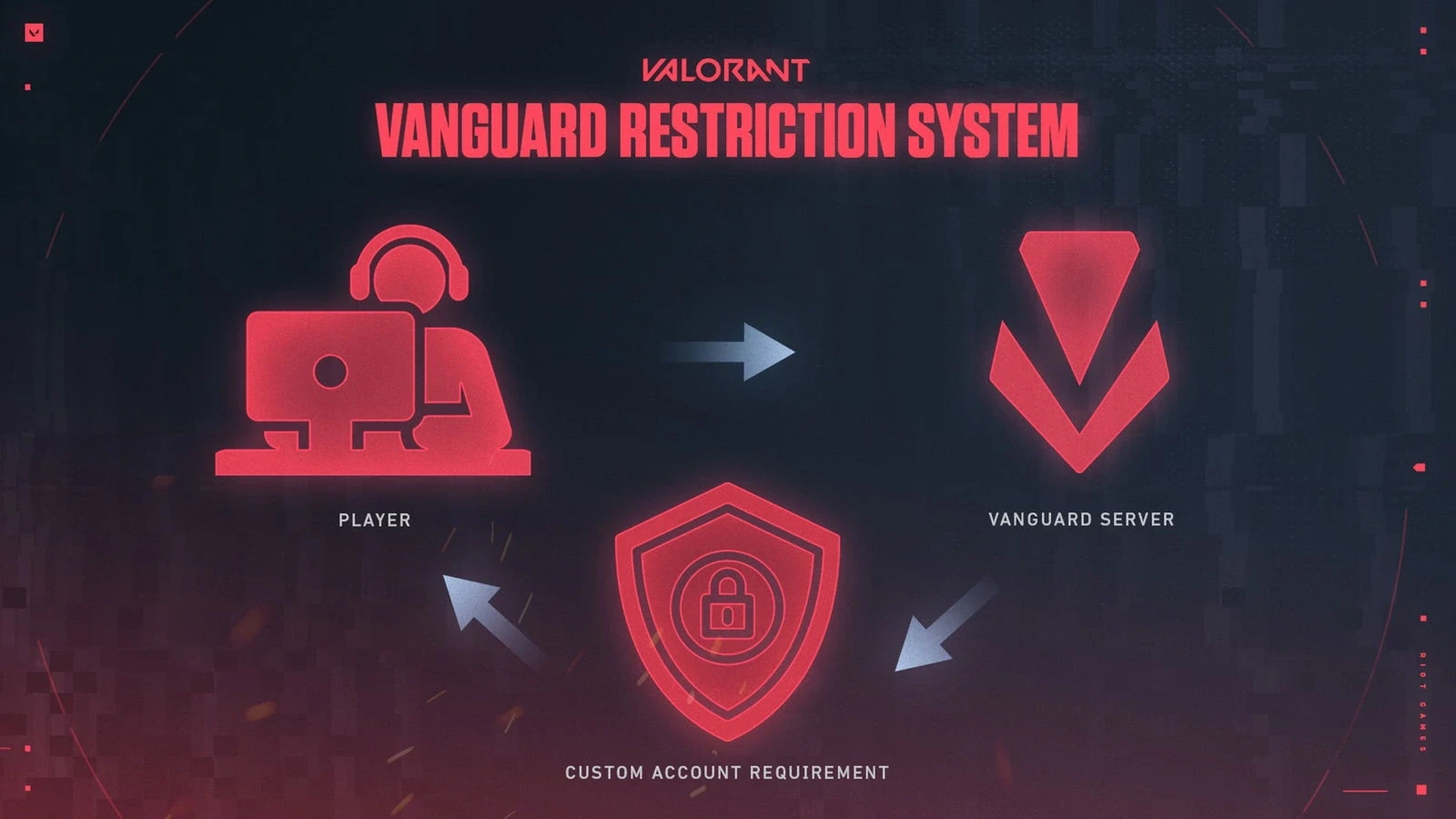
Official APIs expose selected game data without granting open access to the client process. That lets Riot control which information applications can retrieve, and closes a shared route that both legitimate tools and malicious software could previously use.
Developers will need to review each feature separately. A companion app may combine API calls, local settings and memory-based functions in one interface. Some parts may keep working as they are, while others need a redesign. Players could therefore see partial changes rather than an app that either fully works or disappears.
The policy also separates blocking from punishment. Riot states outright that the change does not cause a ban by itself. If an unknown application tries to reach the client through the restricted route, the stated response is to stop that access. Existing rules against cheating and banned software still apply separately.
Avoid unofficial workarounds that claim to restore blocked memory access. If a feature stops working after October 6, check the developer’s announcement, update the app or remove it until compatibility is clear. Bypassing a security control is not the same as waiting for an approved update.
If an application stops working and you believe it qualifies for the grace period, Riot directs developers and users to player support. A useful report names the product and describes the failure clearly, but leaves out account passwords and other unneeded credentials.
What VALORANT players should check
Players using only the standard VALORANT client do not need to change anything in advance. If you run a tracker, overlay or modification, look at that tool’s official channel and confirm whether the developer has announced approval, a new build or a feature restriction.
An app that still opens does not prove every function works. What matters is whether it reaches the game through supported methods. If a tool starts crashing, loses live data or asks you to disable security protections, stop using it and get guidance from the developer or Riot Support.
The April 2027 date covers known approved tools only, not every unknown application. Do not read the grace period as a general delay. The October 6 default block is the immediate change, and the longer window exists for developers already recognized within the transition process.
Riot’s new policy ends direct game-memory access for unknown applications from October 6 and pushes supported tools toward official APIs. Most VALORANT players should see little disruption, though companion software users should follow their developer’s official updates. The change itself is a block, not an automatic ban.