Riot has explained how Vanguard’s Anti-Boost system is being used in VALORANT ranked matches. In a technical update dated September 17, anti-cheat lead Phillip Koskinas described a system aimed at accounts whose rank was pushed up by a stronger player logging in on the owner’s behalf. A September 18 report added figures to VALORANT coverage. The key takeaway for players is straightforward: Riot is going after manipulated access and purchased accounts, not labeling every second account a punishable smurf.
Riot says Anti-Boost first ran privately in League of Legends in September 2025 and has since been brought to VALORANT. It flags accounts where a large share of ranked progress was earned by someone other than the usual player. The question shifts from ‘does this account exist?’ to ‘who truly earned this rating?’ An alternate its owner made and plays alone is one thing; a low-ranked account bought or lent so a stronger player can win easier games is another.
Riot has disclosed 296,416 account actions for rank manipulation since late 2025. That number spans VALORANT and League of Legends combined, not VALORANT alone, and it does not represent bans handed out on a single day. Framing it as one VALORANT ban wave would overstate the VALORANT-specific claim. Still, the update matters: it shows both an active detection method and the penalties that can follow when someone uses another person’s account to climb.
How the system treats boosted accounts
When Vanguard finds that a stronger player earned rating on another person’s account, Riot says the unearned ranked points or rewards can be stripped away. That boosted account may get a temporary suspension, and repeat offenses bring harsher consequences. A purchased account with no legitimate player behind it is handled differently and can be banned outright instead of just having its rating reset. Riot also describes escalating suspensions for known boosters on their main accounts when those can be identified. These steps target everyone involved in a boosting deal, not only the profile used in the match.
Riot also issues a separate warning about ‘hitchhikers’: players who repeatedly queue alongside smurfs or boosters to gain from manipulated matchmaking. According to the studio, they can lose rank they didn’t fairly earn, even if the boost was indirect. That doesn’t mean anyone who happens to face a suspicious account will be punished automatically. The policy focuses on repeated participation and rank manipulation. As with any enforcement report, the public explanation doesn’t disclose the private detection threshold for a given account, so claims about individual cases need evidence beyond a general article.
The update is also careful about legitimate alternatives. Riot estimates that about 9% of daily ranked accounts across its games are secondary accounts, and says many are ordinary alts their owners use. Trying out a new strategy or keeping a similarly rated account is not the same as handing credentials to a boosting service. Riot states that Anti-Boost is not designed to simply ban every unshared alternate. For readers, that line matters more than a blanket warning that all smurf-like play looks the same.
The system exists to protect match quality when ratings no longer reflect who is actually playing an account. A high-ranked player on a borrowed low-ranked profile can make matchmaking less fair for opponents and teammates. Removing unearned progress is the correction Riot proposes once that activity is detected. Whether a specific match or account warrants action is an enforcement call, not something a reader can deduce from one surprising scoreboard. Keeping that in mind matters when discussing anti-cheat tools with a competitive community.
What players can take from Riot’s update
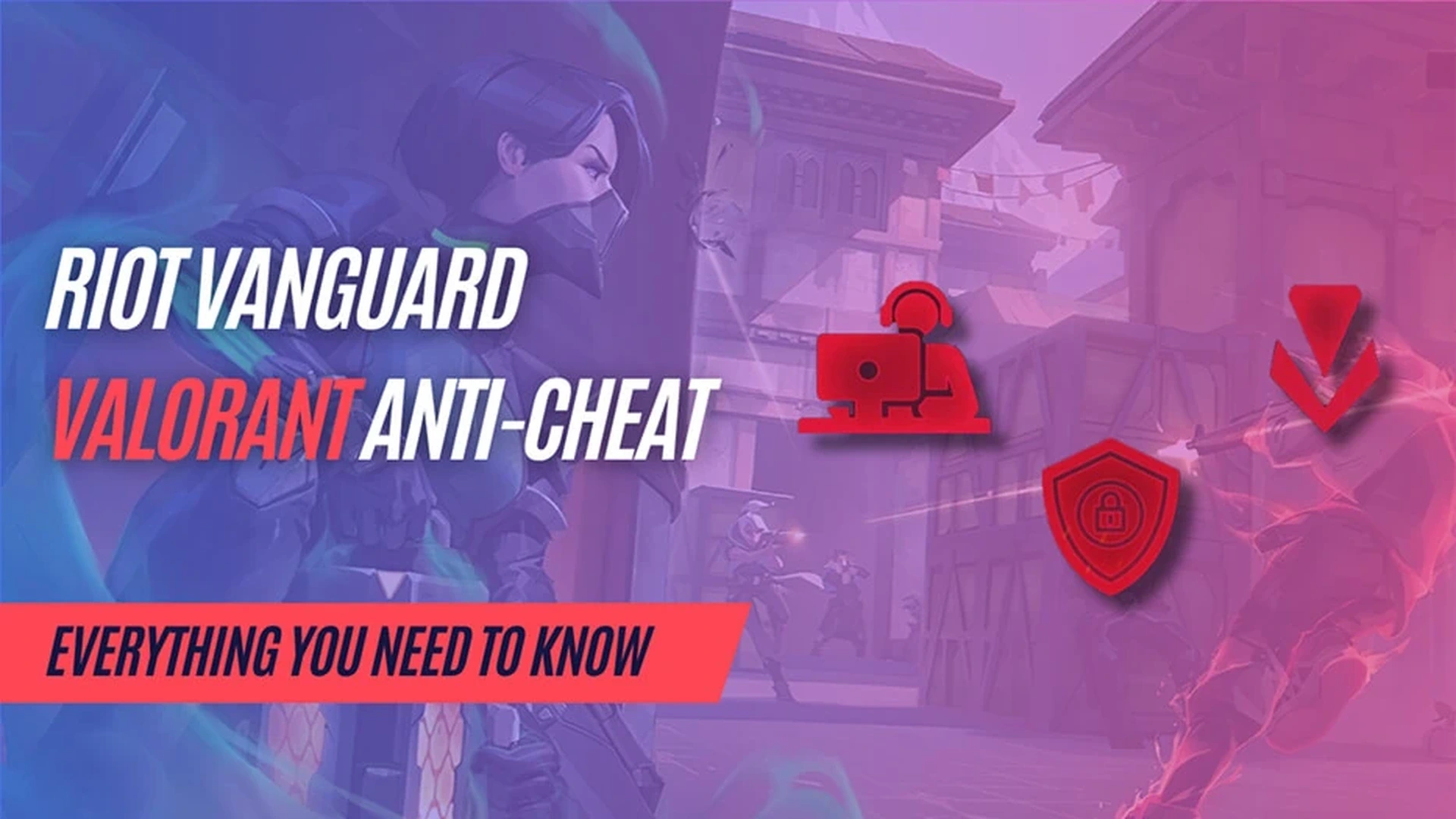
The most immediate advice is to play ranked only on accounts you own and don’t share, and to avoid paying anyone to change your rating. Riot lists account sharing, purchased low-rated profiles and organized boosting as behaviors that can trigger action. The update also mentions possible extra identity and hardware checks down the line, but it sets no universal date for them. They shouldn’t be presented as a new requirement that already applies to everyone.
The numbers deserve the same care as the policy. The 296,416 actions cover both VALORANT and League of Legends, and the roughly 9% secondary-account estimate is not itself a smurfing rate. Keeping those two qualifications attached stops a headline figure from misleading players about their own risk. Riot’s position is that fair ranked play depends on accounts representing the people who actually use them. Anti-Boost is the newest tool it says it is applying to that goal, while details of any future restrictions have yet to be announced.
Vanguard Anti-Boost now applies in VALORANT to counter ranked progress earned through shared or purchased accounts. Riot’s published account-action total covers two games, and its explanation draws a clear line between manipulated accounts and ordinary unshared alternates. Those boundaries are the core facts for players assessing the September update.