Three competitors reported PC or mouse trouble in the first days of VALORANT Champions Shanghai: Nongshim RedForce’s Kim “Francis” Mu-bin, Team Liquid’s Nikita “trexx” Cherednichenko and Karmine Corp’s Burak “LewN” Alkan. All three described equipment issues after competing on the same side of the stage. These reports deserve follow-up, yet no shared technical cause and no failure that changed a result has been verified.
Francis offered the fullest public explanation after Nongshim lost 0-2 to NRG. He said mouse and PC problems kept him from playing at the level he wanted at a major event. Yet in that same statement he specifically declined to blame the equipment for the loss, and he gave NRG credit for its experience and play.
That caveat matters. A player can be unhappy with his competitive gear and still accept that the opponent won. If the complaint were presented as proof that hardware cost Nongshim the match, the restriction Francis placed on his own words would disappear.
LewN also raised a mouse issue during Karmine Corp’s opening match. By his account, he managed to swap to a backup mouse. Karmine Corp then won 2-0 against Xi Lai Gaming, which is another reason a complaint alone cannot be treated as a changed outcome.
The shared stage position raises a question
The three players belonged to different organizations and competed on different days, but the reports place all of them on the same side of the stage. That pattern gives tournament staff a sensible place to look, including the station layout, USB connections, the PCs and the wireless conditions at that position.
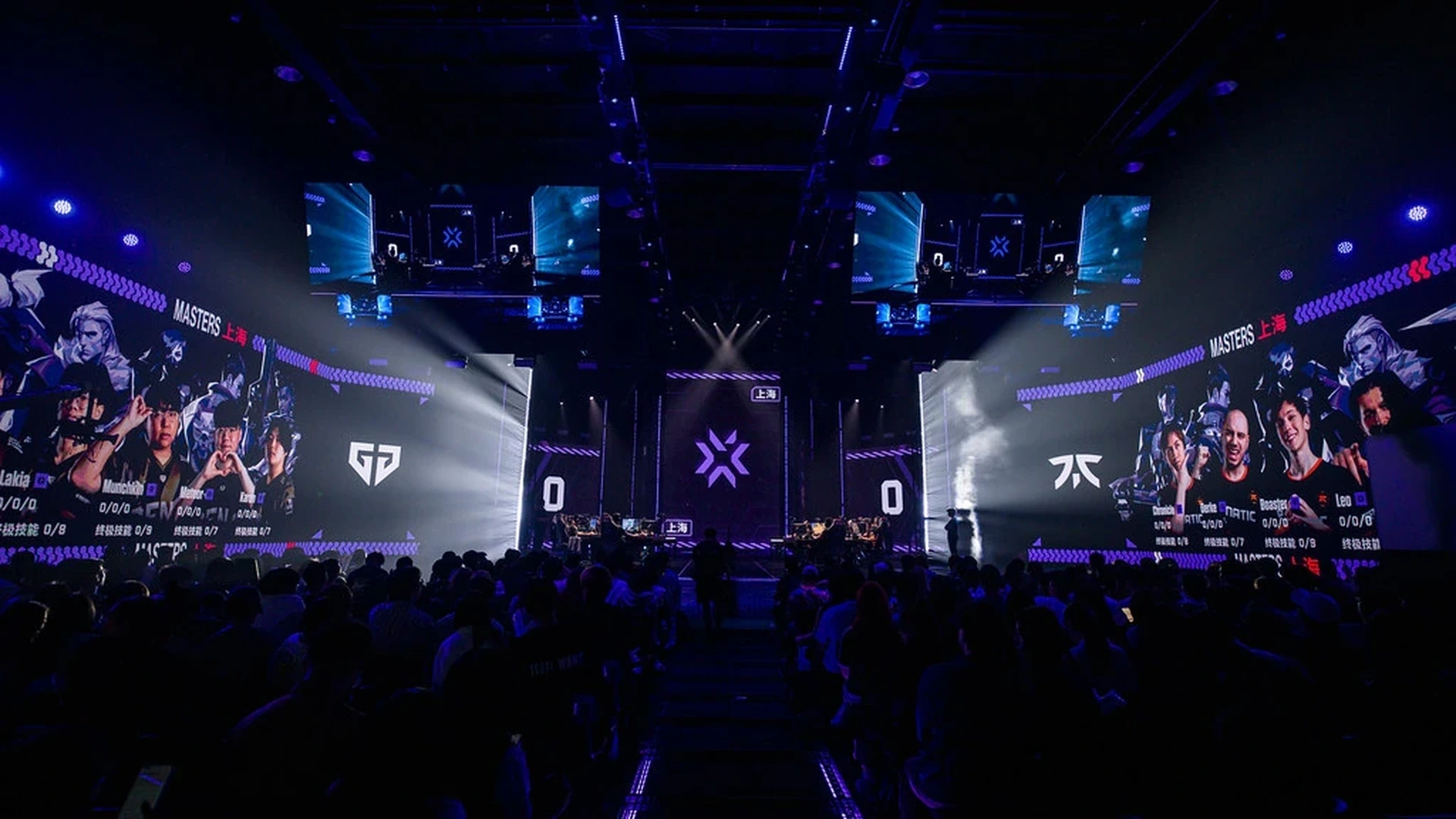
It does not show that one component failed three separate times. A stage side holds several seats and a range of devices, and the reports do not confirm that each player used the same computer or mouse. Distinct symptoms could also come from distinct causes.
So the right conclusion is procedural: several reports from a single side of the stage deserve investigation and ongoing monitoring. A firm hardware diagnosis needs information from the organizer, technical logs or a finished review, and none of that appears in the cited reports.
Competitive fairness relies on each player having a stable, equal setup. Even a problem that does not decide a match can break concentration, force a stoppage or alter how assuredly a player handles a crucial moment. At a world championship, those risks call for a strict response.
Backup equipment is a practical protection, as LewN’s reported switch shows. It fixes an immediate mouse failure but does not by itself reveal whether a wider station fault exists. Regular pre-match testing and quick documentation are needed to tell an isolated peripheral problem apart from a repeatable fault.
Public reporting also has to be precise. The event started only days ago, and sweeping claims travel faster than technical findings. Naming the players, their reported symptoms and the shared stage position is supported by the evidence. Calling it a systemic failure before Riot releases findings is not.
Monitoring matters more than speculation
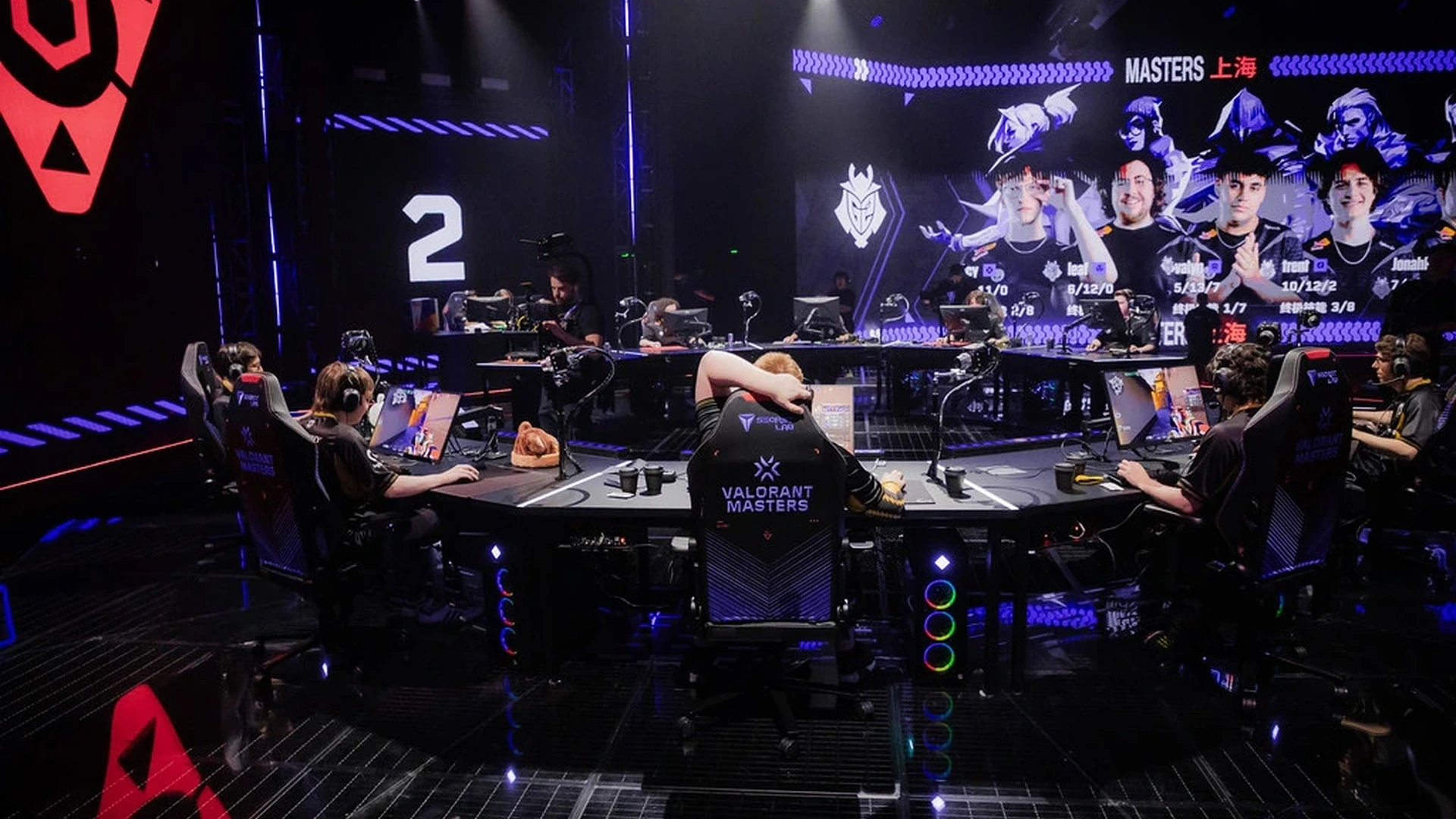
The useful next evidence is whether similar complaints keep coming, whether they stay concentrated on one side and whether the organizer announces a fix. The absence of new reports would not explain the earlier cases, but it would suggest that immediate checks may have lowered the risk.
Players should also be free to describe their experience without every remark being turned into an accusation about a result. Francis criticized the setup and respected NRG’s win in the same breath. Keeping both points gives a more accurate picture than quoting only the most dramatic line.
Until an official technical explanation is released, the defensible position is narrow: three players reported PC or mouse concerns, all were positioned on the same side of the stage, and at least one used replacement equipment. The cause and any competitive effect remain unconfirmed.
The first days of Champions Shanghai brought equipment complaints from Francis, trexx and LewN, forming a pattern tournament staff should examine. The reports do not establish a single shared fault or show that any match result changed. Careful monitoring, documented checks and precise public updates are the appropriate next steps.