Patch 12.11 looks minor on paper, yet My VALORANT Card changes how players introduce themselves before they join a lobby. Riot pitches it as a personalised card that displays skill, personality, and the sort of teammate a player aims to be. In that sense it is more than a cosmetic profile tweak.
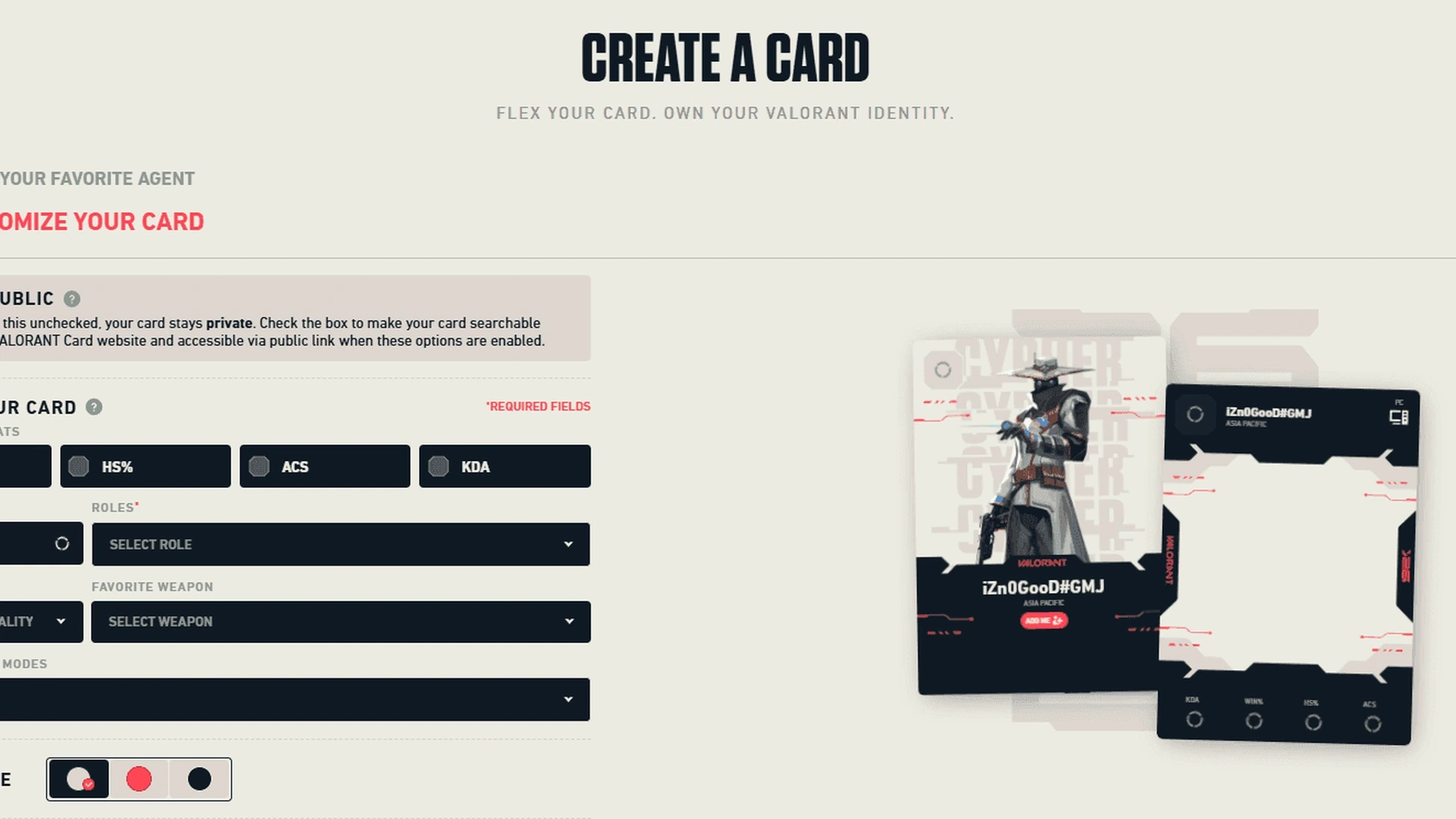
The site goes live during the final patch of Act 3. Players can build a card, post it to social channels, and find people who share their interests: rank, open roles, or just the vibe a five-stack is after. In a game where team fit can matter as much as aim, this is a handy social addition.
WHAT MY VALORANT CARD DOES
My VALORANT Card acts as a quick introduction for players who would rather not re-explain themselves each time they search for a group. A card can show competitive level, preferred roles, and personality cues. These bits are minor, but they answer the questions people tend to ask before they join a stack.
The feature also offers something easier to pass around than a long message. Rather than writing a full recruitment post, a player can send others to a compact profile that states whether they want a serious ranked session, a flexible role fill, or a laid-back group. That kind of clarity can cut down on awkward lobbies and stalled party searches.
WHY IT FITS THE END OF ACT 3
Patch 12.11 is not centred on heavy balance changes. Riot called it a lighter patch to wrap up Act 3, with Act 4 due in two weeks. That timing explains why a social feature stands out: players are getting ready for the next phase, wrapping up current goals, and hunting for teammates before the ladder’s rhythm shifts.
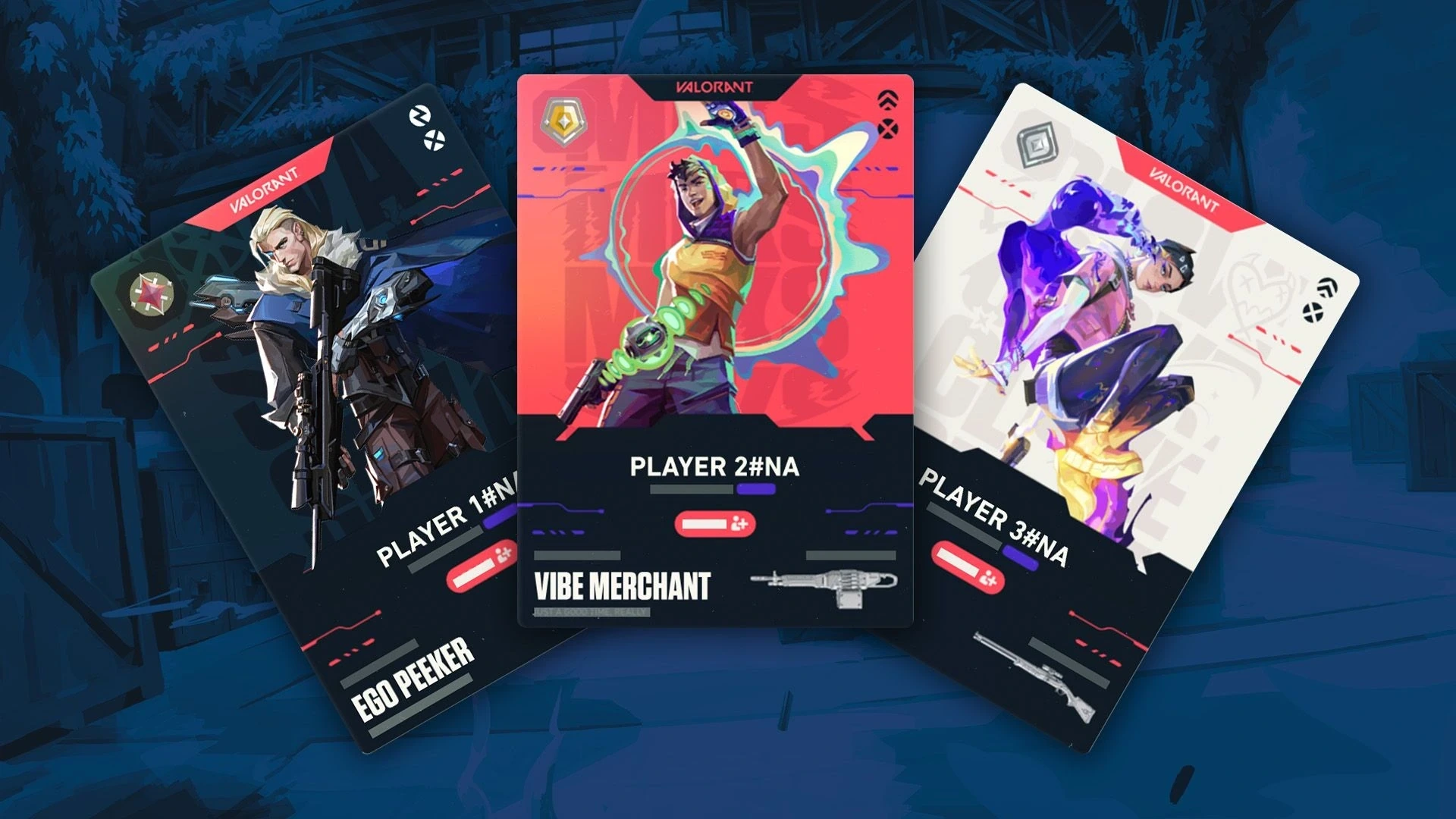
For competitive players, an act’s end can feel odd. Some are chasing one last rank, some are testing new roles, and others want a stable group ready for the next launch window. My VALORANT Card offers all of them a cleaner way to say what they are after without turning every queue into a job interview.
USEFUL DETAILS TO SHOW
- Current rank or general competitive level
- Preferred role, such as controller, sentinel, initiator, or duelist
- Whether the player is looking for a duo, trio, or full stack
- Play style, including serious climb sessions or relaxed games
A BETTER LFG EXPERIENCE
Searching for teammates in a tactical shooter gets messy because people word the same need differently. One player wants a smoker, another asks for a controller, and a third just wants someone who can fill. A standard card makes those expectations easy to compare at a glance.
The biggest win may be for players who are dependable but quiet. Plenty of good teammates skip voice-heavy recruitment rooms because they dislike overselling themselves. A card lets them display what they offer before any conversation starts, helping quieter players find groups without relying on fast chat or repeated explanations.
HOW TEAMS CAN USE IT
Five-stacks can benefit too when they need to replace a missing member. If a squad already has two duelists and a sentinel, a shared card from a controller main beats a generic “looking to play” message. A card can’t guarantee chemistry, but it gives the group a stronger starting point.
It also helps casual friends avoid mismatched expectations. A player keen to learn a new agent can say so before joining, and someone aiming for serious climbing can signal that as well. The best groups tend to form when everyone understands the tone before the first pistol round.
WHAT TO WATCH NEXT
Long-term value depends on whether players keep using My VALORANT Card once the launch novelty wears off. If it becomes a regular part of LFG posts, it could tidy up the recruitment side of VALORANT. If not, it may stay a fun shareable profile that spikes around act transitions.
The timing makes sense. Act 3 is closing, Act 4 is near, and many players are already thinking about who they want alongside them for the next grind. My VALORANT Card lets them show who they are, what they play, and what kind of squad they want to build.